Your child attends therapy every week. The therapist teaches a new skill, and your child does well in the session. Then the week goes by, and by the next visit, half of it is forgotten.
That's normal. A session gives your child structure and guidance. But skills become habits only with practice, and most of that practice happens at home.
Why Home Practice Matters
A therapy session lasts an hour or so. The rest of the week is your child's real life, including meals, play, homework, and bedtime. That's where new skills need to show up. Daily practice turns something learned in the clinic into something your child can use anywhere.
Why Home Toolkits Work
- Children feel most comfortable with parents: Your child is relaxed with you. That makes it easier to practise speech, motor, and self-regulation skills without pressure or fear of getting it wrong.
- Short, daily practice adds up: Ten minutes a day, done consistently, supports faster progress than weekly clinic visits alone.
What Is a Home Activity Toolkit?
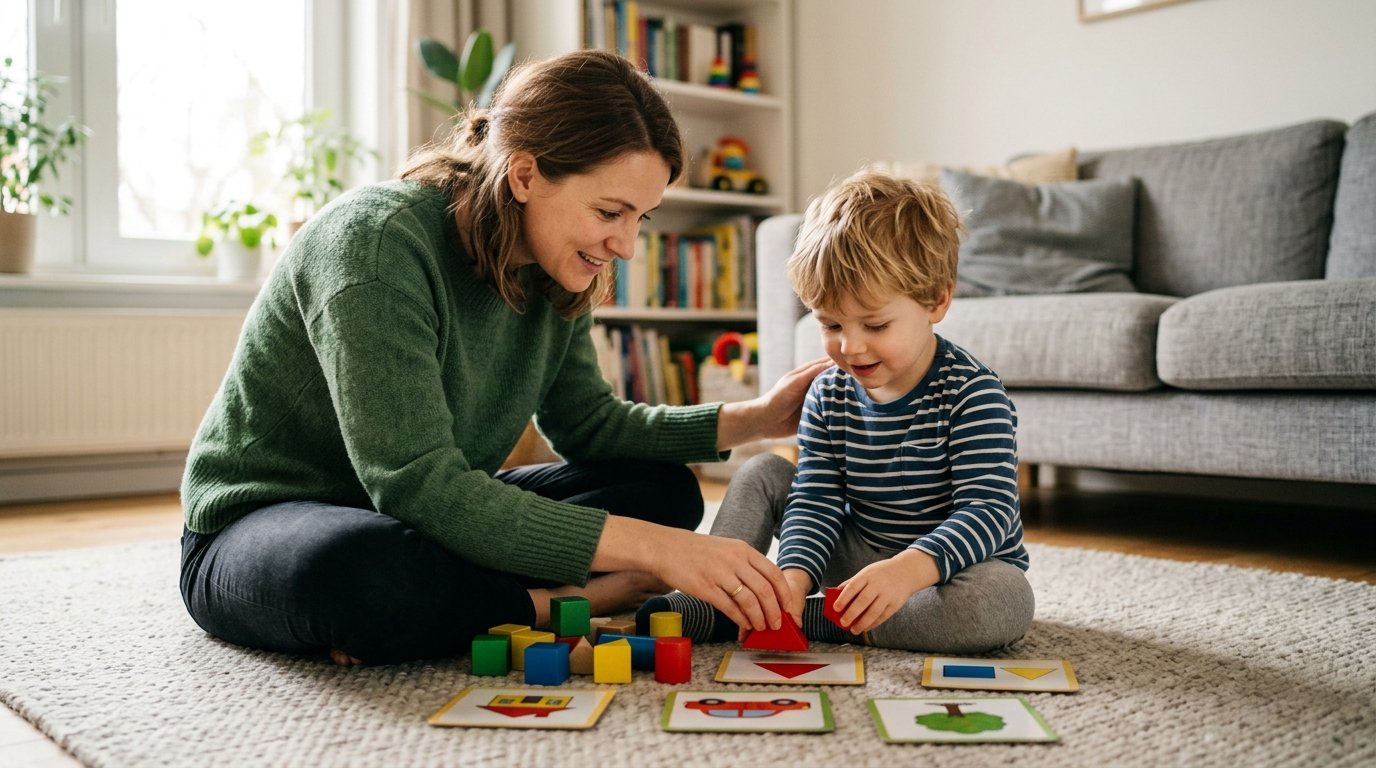
It's a small set of simple activities that match your child's therapy goals. The therapist picks them for your child, explains how to do them, and shows you what to look for. You don't need special equipment or training. You just need a few minutes and a little patience.
Tips to Make It Stick
- Pick a fixed time: After breakfast or before bedtime works well. A routine is easier to keep than a plan.
- Keep it short and playful: Ten minutes of play beats thirty minutes of struggle. If your child is tired or upset, stop and try again tomorrow.
- Celebrate small wins: Notice every attempt, not only the right answer. It builds your child's confidence and yours.
- Share what you notice: Tell the therapist what worked and what didn't. It helps them adjust the plan.
Don't worry about doing it perfectly. Consistency matters more than perfection.
Home Support at Privya Clinic in Ahmedabad
At Privya Clinic in Ahmedabad, therapy doesn't end when the session does. The team works with parents so that every goal has a simple home plan. That covers speech, motor skills, behaviour, and self-regulation, depending on what your child needs.
Support may include:
- Speech & Oromotor Therapy
- Occupational Therapy
- Behaviour Therapy
- ABA Therapy
- Special Education
At Privya Clinic in Panchavati, parents are part of the process from the first assessment. You'll get clear guidance on what to practise, how often, and how to know it's working.
What to Do Next
Don't feel you have to be your child's therapist. You only have to be their parent, and that is what they need most. With the right guidance, small daily efforts make a big difference.
Book a consultation at Privya Clinic in Panchavati, CG Road, Ahmedabad.
